How to Choose the Best Residential Floor Scrubber Without Losing Your Mind
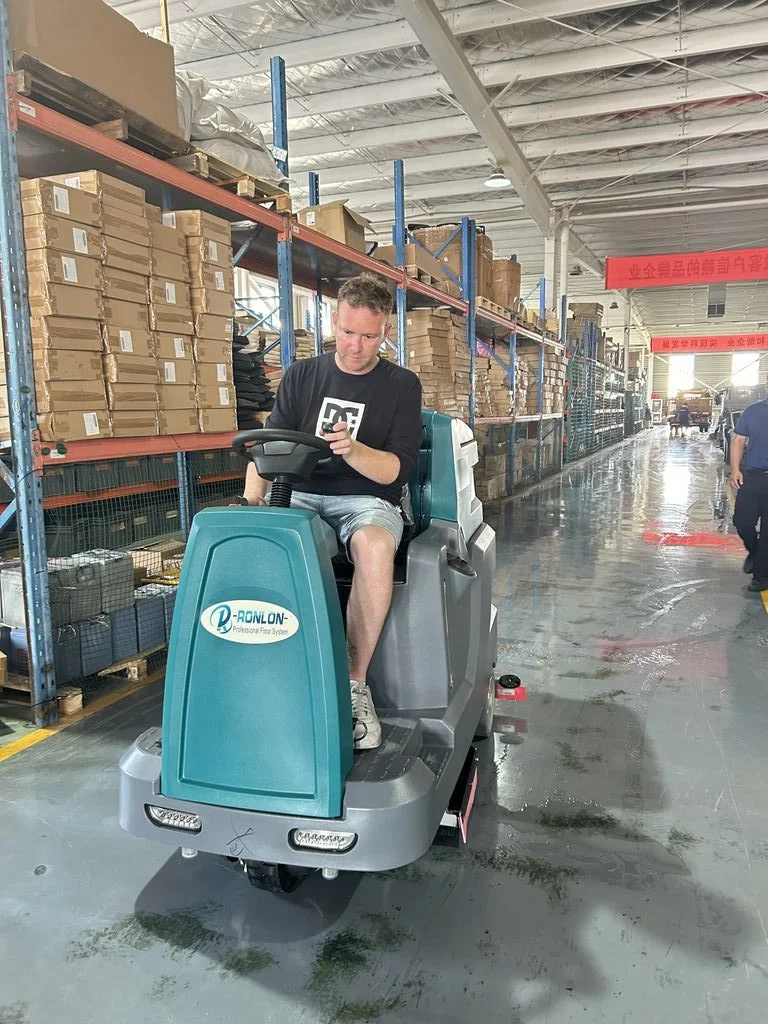
Let's be real'cleaning floors is nobody's idea of fun. Between work deadlines, weekend plans, and that never-ending laundry pile, scrubbing floors feels like a punishment. Last week, I spent an hour wrestling with a clunky old mop (or should I say 'mopp'? My brain's fried these days) just to realize my kitchen tiles still looked like a mud-wrestling arena. That"s when I decided it was time to research residential floor scrubbers.
Now, if you're picturing those industrial beasts they use in shopping malls, relax. Modern residential floor scrubbers are like the cool cousin who shows up with a vacuum and a latte. They're compact, quiet, and won't scare your cat into next Tuesday. The trick is finding one that doesn't make you want to scream into a pillow halfway through setup.
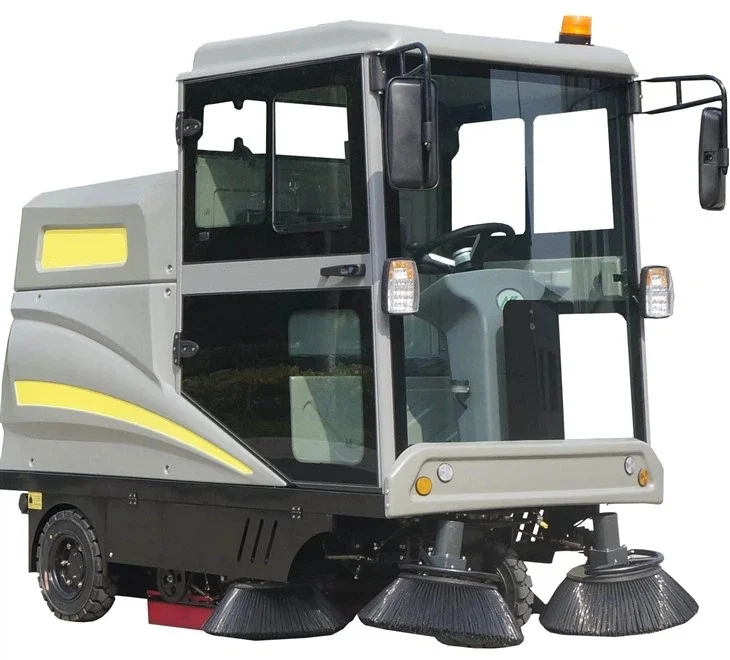
First off, size matters'but not how you think. A good residential floor scrubber should fit in your storage closet without requiring a Tetris championship-level strategy. Look for models with adjustable handles or foldable designs. My neighbor bought one that's basically a broom with a water tank attached. Genius? Or overpriced gadget? Turns out, it works surprisingly well on her hardwood floors.
Battery life is another sneaky factor. Nothing kills motivation faster than your scrubber dying mid-job. Aim for at least 45 minutes of runtime. Pro tip: Avoid anything labeled 'commercial-grade' unless you enjoy charging batteries more often than your phone. Oh, and check if it's compatible with different cleaning solutions. Some units get fussy if you use anything but their brand's overpriced detergent.
Here"s where I messed up initially"I forgot to check noise levels. My first scrubber sounded like a chainsaw orchestra. The dog hid under the bed for hours. Lesson learned: Look for decibel ratings under 65 dB. Newer models even have 'quiet mode' settings, which basically means you can finally scrub floors while binge-watching Netflix without subtitles.
Cleaning power is obvious, but suction strength often gets overlooked. A scrubber could leave your floors sparkling wet but take forever to dry. Opt for dual-function models that scrub and suction simultaneously. My aunt swears by her machine that leaves floors dry enough to walk on immediately'no more soggy sock disasters!
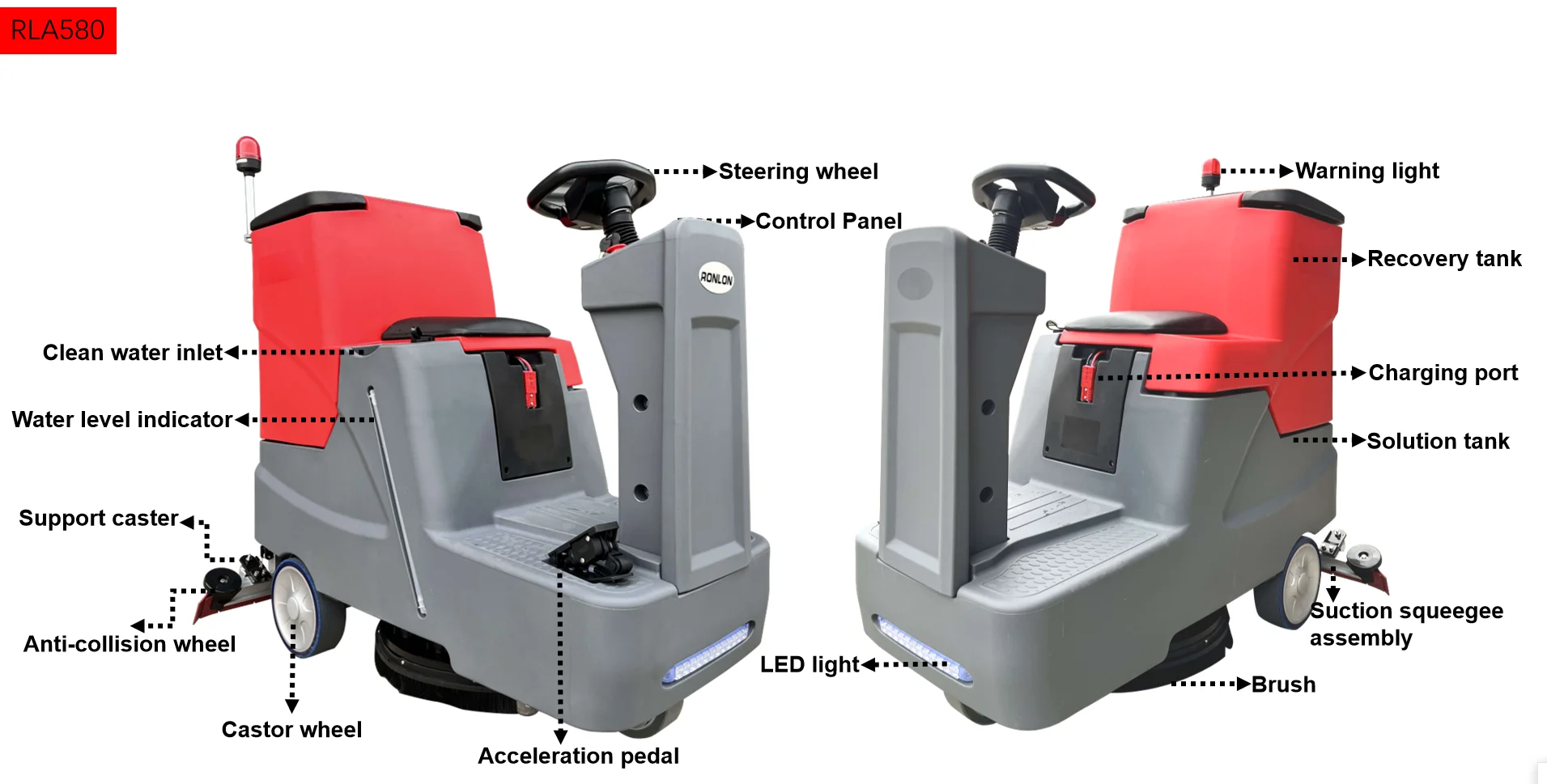
Now, let's talk about the elephant in the room: price. Residential floor scrubbers range from 'impulse buy' to 'did it come with a gold-plated warranty?'. Set a realistic budget first. Mid-range models ($150-$300) often strike the best balance between features and durability. Watch for holiday sales"I snagged mine during a random Presidents' Day promo.
Maintenance is the silent dealbreaker. If cleaning the cleaner feels like a part-time job, you'll abandon it faster than a New Year's resolution. Look for removable tanks, washable brushes, and filter systems that don't require engineering degree to disassemble. My friend's scrubber has self-cleaning brushes. Is it magic? Probably. Does it save time? Absolutely.
Here"s a personal hot take: Don't stress about smart features. Wi-Fi-connected scrubbers that sync with your phone? Cool party trick, but honestly, how often will you adjust scrub intensity via app while elbow-deep in cleaning? Focus on physical controls that make sense when your hands are wet and you're half-awake.
One last thing'warranties. Cheaper models often skimp here. Look for at least a 1-year coverage. My cousin learned this the hard way when her bargain scrubber died after 3 months. Turns out 'lifetime support' meant the company's Instagram account went inactive.
At the end of the day, a residential floor scrubber should make life easier, not add to your chore list. Take your time comparing options. Maybe even rent one for a weekend test drive. Because let's face it'adulting is hard enough without fighting dirty floors. Now if you'll excuse me, I need to go test if this scrubber can handle the aftermath of my toddler's spaghetti night'