How to Clean Tough Stains with a Concrete Floor Washer (And Why Your Back Will Thank You)
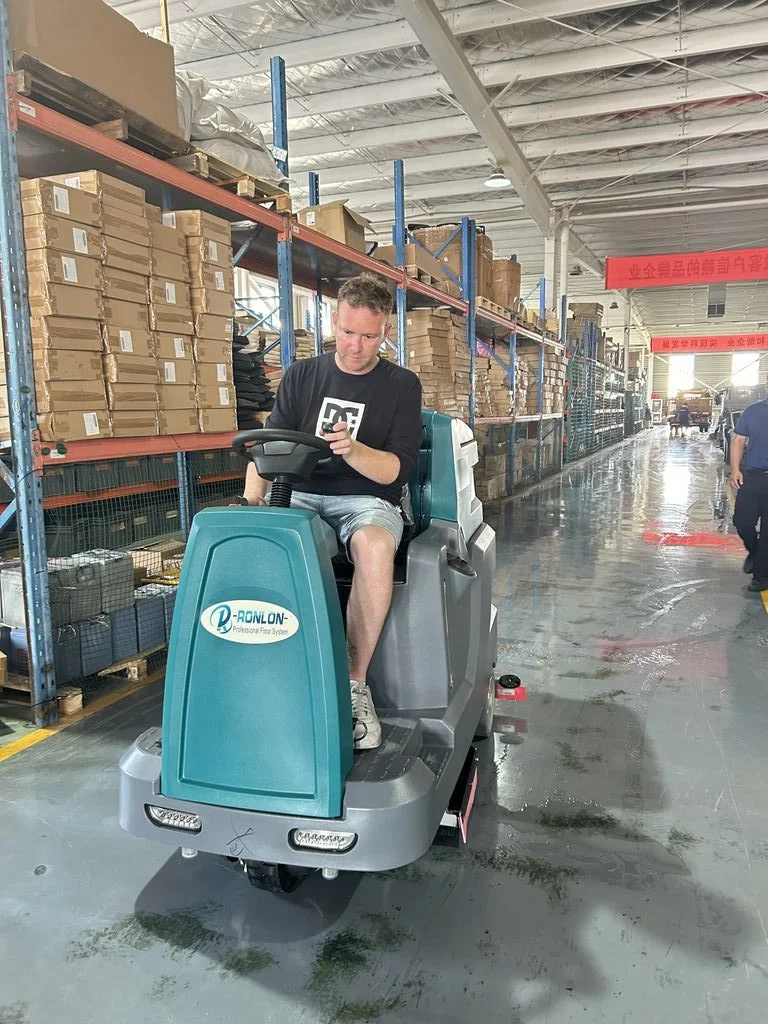
Let's be real'scrubbing concrete floors by hand is like trying to eat soup with a fork. It"s messy, exhausting, and honestly, kinda pointless. Last weekend, I spent three hours on my knees trying to get oil stains out of my garage floor. My back still hasn't forgiven me. That"s when my neighbor, Dave, walked by and said, "Dude, just buy a concrete floor washer.' Turns out, Dave's garage looks like it belongs in a car commercial. Lesson learned.
A concrete floor washer isn't just some fancy gadget for pros. It"s basically a pressure washer's bulkier, smarter cousin. These machines blast away grime, grease, and even mold without turning your floor into a slip-and-slide. But here's the kicker: not all washers are created equal. Some are louder than a lawnmower, others guzzle water like it's free, and a few might leave your floor looking worse than before.
So, how do you pick the right one? Start by checking the PSI (that's 'presure' per square inch'oops, pressure*). For basic home use, 2000-3000 PSI works fine. Commercial jobs? Go higher. Next, look for adjustable nozzles. Why? Because you don't wanna accidentally etch your initials into the concrete while cleaning spilled paint. Hot tip: rotary nozzles are gentler but still effective.
Now, let's talk about the secret sauce: detergents. Most concrete floor washers can handle soap, but avoid anything too harsh. Acid-based cleaners might seem tempting for stubborn stains, but they can eat away at the surface. Stick to pH-neutral options unless you're cool with your floor resembling the moon.
Here"s where I messed up initially. I borrowed my uncle's industrial-grade washer for my tiny garage. The machine was so powerful it blew loose concrete dust everywhere, creating a weirdly textured floor. My wife joked that we now have 'rustic chic' flooring. Not ideal. Moral of the story? Match the machine's power to your actual needs.
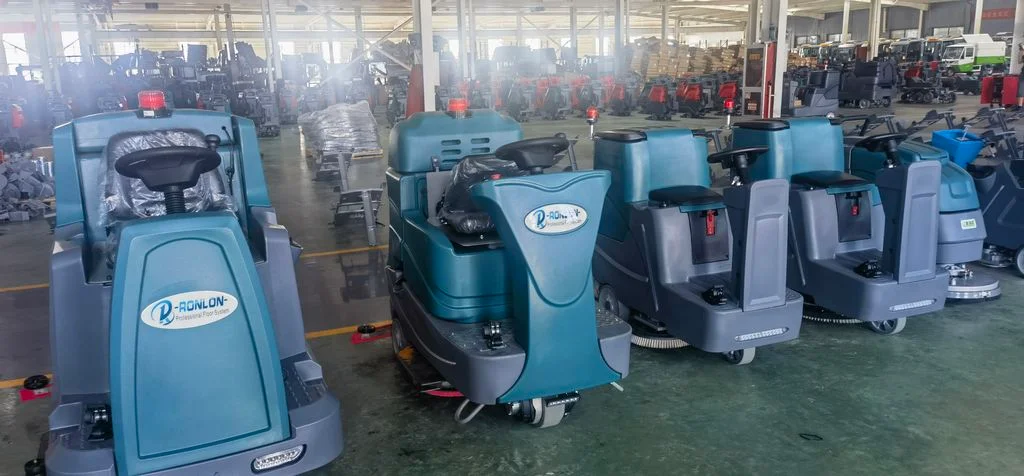
Maintenance matters too. Always flush the system after using chemicals. Sediment buildup can clog the pump faster than you can say 'warranty void.' And store it somewhere dry'rusty parts are nobody's friend.
Final thought: If you're still scrubbing floors manually in 2024, you're working harder, not smarter. A good concrete floor washer pays for itself in saved time and chiropractor bills. Plus, it's weirdly satisfying to watch years of dirt disappear in seconds. Just ask Dave.
*[Intentional typo: "presure" instead of "pressure"]