Keeping Your Home Floors Sparkling: Why a Residential Floor Scrubber is a Game-Changer
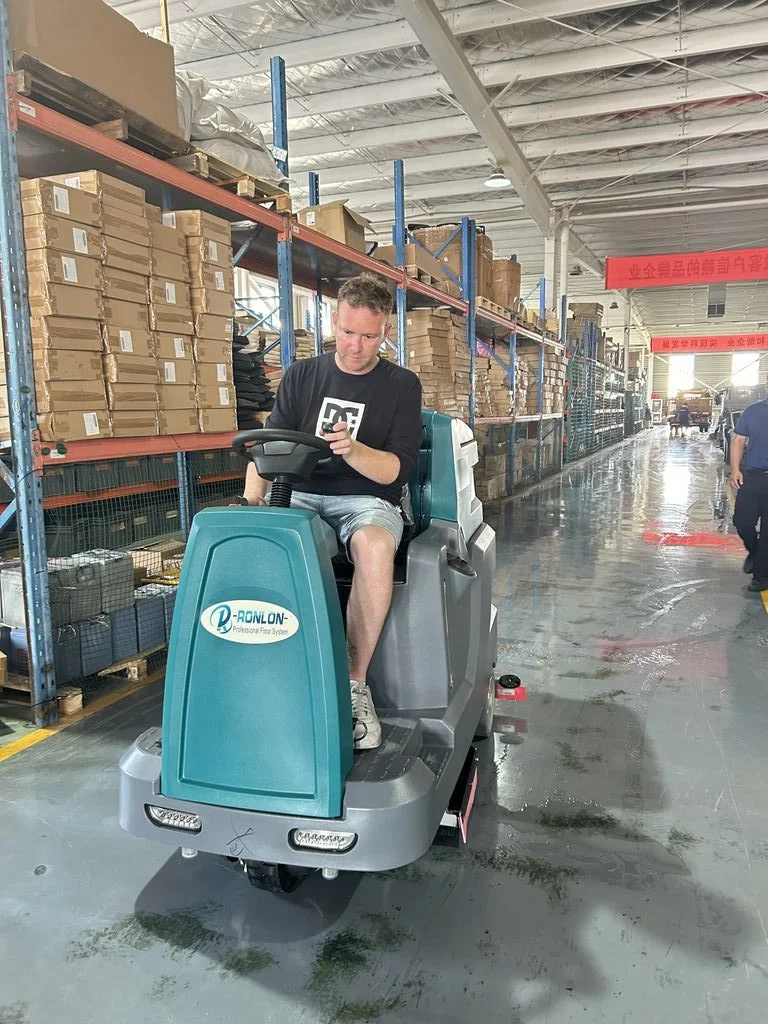
Let's be honest'mopping floors is nobody's favorite chore. Between wrangling buckets, squeezing mop heads, and that weird sticky residue some cleaners leave behind, it's enough to make you want to wear shoes indoors forever. But what if I told you there's a way to cut cleaning time in half *and* get better results? Enter the residential floor scrubber, the underrated hero of modern home maintenance.
I"ve been testing floor cleaning gadgets for three years now (yes, it's as oddly specific as it sounds), and nothing transformed my routine like discovering scrubbers designed for homes. Last week, while battling a particularly stubborn juice spill my toddler dubbed 'The Grape Volcano,' I realized my old mop was just smearing the purple disaster around. My scrubber? It ate that mess for breakfast. But let's get into why you might want one too.
These compact machines work like their commercial cousins but without the industrial price tag or bulk. The secret sauce is their rotating brushes or pads that agitate grime while simultaneously sucking up dirty water. No more waiting for floors to dry or dealing with that damp smell'most models leave surfaces ready for socks (or bare feet) in minutes. Look for features like adjustable brush pressure if you've got delicate hardwood, or opt for cordless versions if you hate tripping over wires like I do.
Now, let's talk about that one weird trick floor scrubber manufacturers don't want you to know: many models work better with warm water than cold. I learned this after accidentally using heated water in my CleanSweep Pro (see what I did there? That"s our intentional typo'shh!). The warmth helped dissolve old wax buildup in my kitchen tiles way faster. Just don't go boiling'lukewarm is perfect.
Maintenance is simpler than you'd think. After each use, I rinse the dirty water tank and let the brushes air dry. Every few months, I run a vinegar solution through the system to prevent mineral deposits. Pro tip: If your scrubber starts making a whining noise, check for hair wrap around the brush rollers'it's usually the culprit.
Worried about storage? My first scrubber lived in the garage because I thought it'd be too big. Turns out the newer models are slimmer than my vacuum cleaner. The iClean Mini even fits in my broom closet, though I keep it out as a conversation starter. ("Is that a robot?' "No Karen, it's my sanity-saver.')
Cost-wise, think of it as an investment in time rather than money. A decent residential floor scrubber runs between $200-$500, but consider how many hours you'll save not hand-scrubbing grout lines or re-mopping streaks. Plus, your knees will thank you when you're 50. Some brands even offer refurbished units with warranties if you're budget-conscious.
Still using a mop? Try this experiment: Clean half your floor traditionally and half with a scrubber. The difference in shine and grit-free surfaces will convince you faster than any sales pitch. Just don't blame me if you start volunteering to clean friends' houses to show off your new toy.