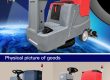
Let me start with a confession: I never thought I’d get this excited about cleaning equipment. But here I am, sipping my third coffee of the morning, geeking out over commercial ride on sweepers. Last week, I spent hours comparing models for a client’s warehouse project—turns out, picking the right sweeper is *almost* as satisfying as finally organizing my messy garage. Almost.
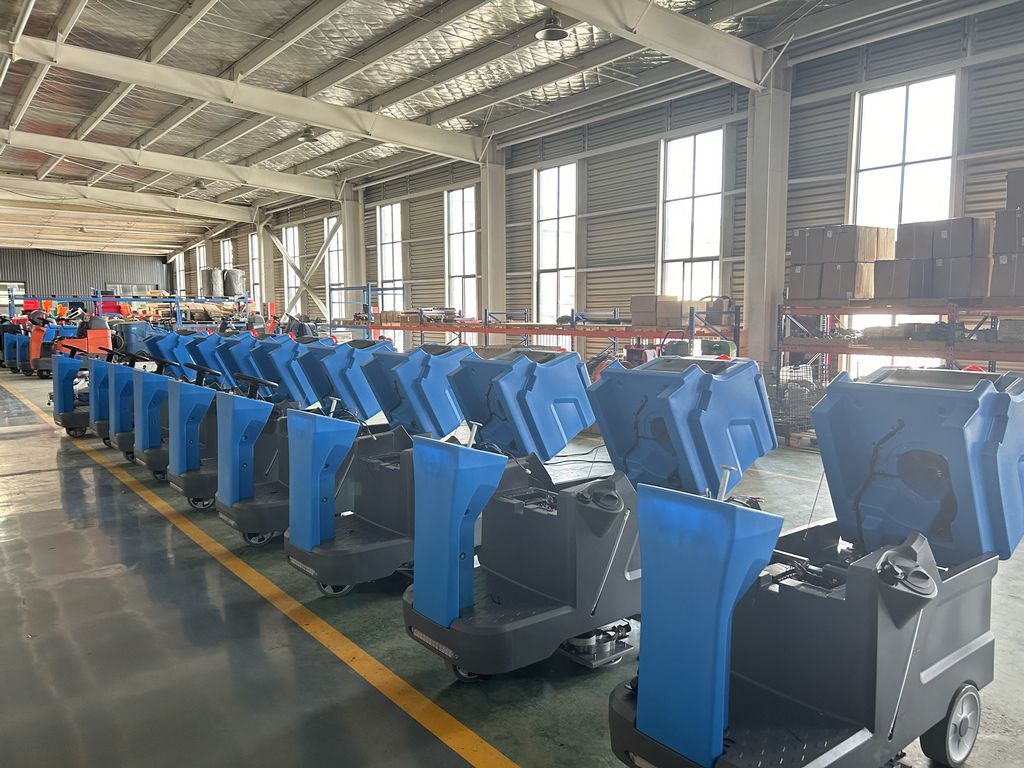
If you’re managing a large space—warehouses, parking lots, factories—you know how brutal floor maintenance can be. Pushing a broom? Forget it. That’s like trying to mow a football field with scissors. A commercial ride on sweeper isn’t just a luxury; it’s a game-changer. These machines are like the Swiss Army knives of cleaning: powerful, efficient, and designed to save you time (and back pain). Let’s break down why they’re worth every penny.
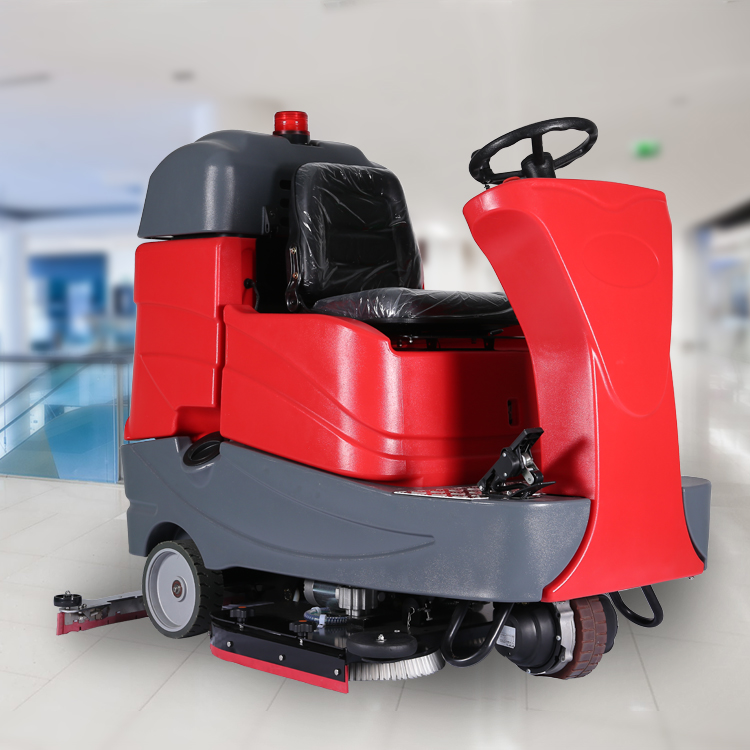
First off, let’s talk effeciency. (Oops, see what I did there? My keyboard’s acting up again.) Modern ride-on sweepers can cover areas 5x faster than manual methods. Imagine cleaning a 50,000 sq ft warehouse in two hours instead of eight. That’s extra time your team could spend on tasks that actually grow your business. Plus, operators don’t end the day looking like they just ran a marathon. Happy workers = fewer sick days. Win-win.
Durability matters too. Cheap equipment breaks down faster than my New Year’s resolutions. Look for sweepers with heavy-duty brushes and corrosion-resistant frames. One client told me their old model kept “eating” debris—turns out the suction was weaker than a dollar-store vacuum. Don’t make that mistake. Invest in something that’ll laugh in the face of gravel, dust, and the occasional rogue screw.
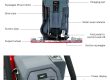
Now, about maintenance—nobody likes surprise repair bills. Go for models with easy-access parts and clear diagnostic systems. My neighbor’s sweeper once died mid-job because someone forgot to check the… wait, what’s that part called? Anyway, user-friendly designs prevent those “oh crap” moments. Pro tip: Train your team to do quick checks before each use. It takes five minutes but saves five grand.
Fuel vs electric? Depends on your needs. Electric sweepers are quieter than a library and cheaper to run long-term. But if you’re working 12-hour shifts outdoors, diesel’s raw power might be better. Just don’t be that person who buys a solar-powered sweeper for a windowless factory. Match the machine to your reality.
Oh, and size matters. A sweeper that’s too big will turn like a cruise ship in your narrow aisles. Too small? You’ll waste hours going back and forth. Measure your space, check turning radii, and maybe even test-drive a few models. Trust me—it’s way more fun than test-driving a minivan.
Here’s the kicker: A good commercial ride on sweeper pays for itself. Faster cleaning = lower labor costs. Fewer injuries = lower insurance premiums. Plus, sparkling floors impress clients way more than that fancy coffee machine in your lobby. Next time someone compliments your spotless facility, just smile and say, “Thanks, it’s the sweeper.” Then watch them nod awkwardly while mentally adding “ride-on sweeper” to their shopping list.
Still unsure? Talk to vendors who offer demos. Any reputable company will let you try before you buy. And if they won’t? Red flag. Your sweeper should feel like a trusted coworker, not a shady used-car-lot purchase.
Final thought: In a world where time is money, a commercial ride on sweeper isn’t an expense—it’s an upgrade. Your floors (and your team’s sanity) will thank you. Now if you’ll excuse me, I need to go reorganize my desk drawers. Again.