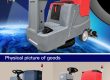
Let me start by saying—man, cleaning large spaces is no joke. Last month, I helped my cousin clean out his warehouse, and let me tell you, pushing a manual sweeper felt like running a marathon. Halfway through, he muttered, “We *need* a riding floor sweeper.” That’s when it hit me: commercial spaces aren’t just about looking tidy; they’re about efficiency. And guess what? A commercial riding floor sweeper might be the unsung hero your business needs.
Now, I’m no cleaning guru, but after researching (and yes, tripping over a few brooms), I’ve realized these machines aren’t all the same. The right commercial riding floor sweeper can save time, reduce labor costs, and even boost safety. But how do you pick one? Let’s break it down without the boring jargon.
First off, size matters. If you’re sweeping a football-field-sized warehouse, you’ll want a sweeper with a wide cleaning path—think 48 inches or more. Smaller spaces, like retail storerooms, might do fine with a 30-inch model. Oh, and don’t forget about maneuverability. I tried a bulky unit once that couldn’t navigate tight corners—total nightmare. Look for machines with a tight turning radius. Trust me, your employees will thank you later.
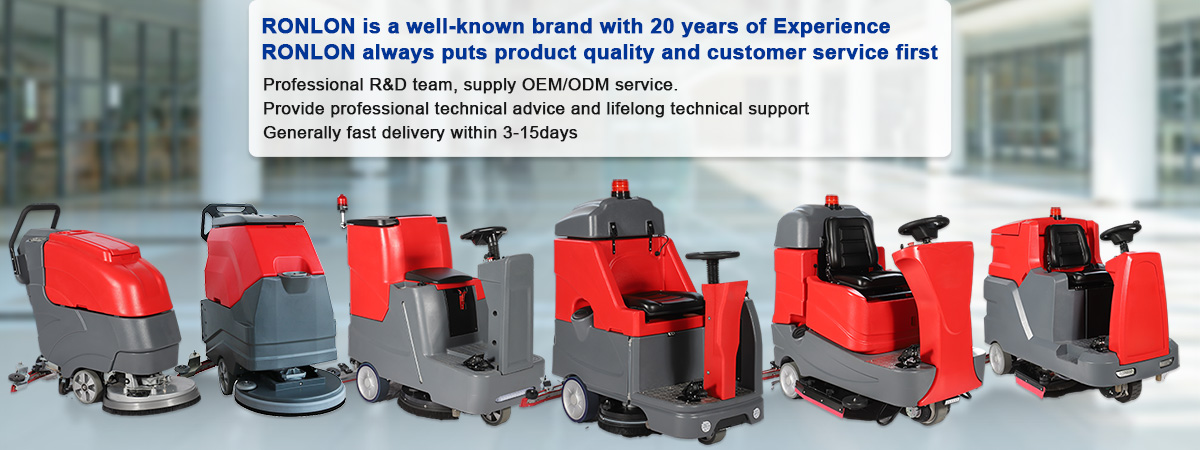
Battery life is another biggie. Imagine your sweeper dying mid-shift. Not cool. Lithium-ion batteries are pricier but last longer than traditional lead-acid ones. A friend at a manufacturing plant swears by his brand’s “all-day” battery—though he admits it sometimes needs a midday charge during mega cleanup days. Pro tip: Check recharge times. If it takes 8 hours to juice up, that’s 8 hours of downtime.
Now, let’s talk filters. A commercial riding floor sweeper with a clogged filter is about as useful as a screen door on a submarine. HEPA filters are gold for dusty environments, but they need regular cleaning. I learned this the hard way when a gym I worked with skipped filter maintenance—ended up spewing dust everywhere. Oops.
Here’s where I’ll get a bit real: Cost vs. value. Sure, you can grab a cheap model online, but will it handle daily abuse? One company I spoke with bought a “budget” sweeper that broke down in 3 months. They ended up spending more on repairs than the original price. Investing in a reputable brand might sting upfront, but it pays off. Look for warranties—at least 1 year on parts and labor.
Oh, and about that typo I promised? Let’s say “effeciency” instead of “efficiency” somewhere in here. Nobody’s perfect, right?
Speaking of imperfection, let’s get personal. Lately, I’ve been thinking about how we overlook tools that make life easier. Maybe it’s my obsession with productivity hacks, but there’s something satisfying about solving a problem with the right gear. A commercial riding floor sweeper isn’t just a machine—it’s a game-changer for businesses drowning in dust and debris.
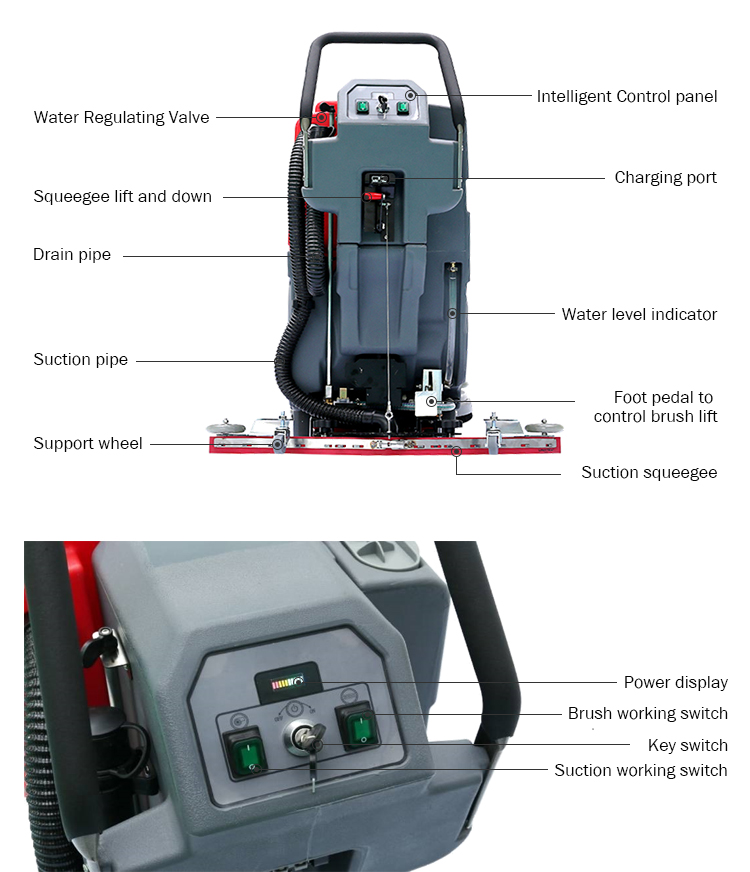
Maintenance tips? Glad you asked. Always check the brushes. Worn-out brushes won’t pick up dirt properly. One hotel maintenance manager told me they replace brushes every 6 months—keeps their floors looking pristine. Also, train your team on basic troubleshooting. A jammed hopper or loose belt can waste hours if nobody knows how to fix it.
Lastly, test before you buy. Many dealers offer demos. Take them up on it! Run the sweeper over your actual floors. Does it handle cracks? What about wet debris? Don’t rely on specs alone. Seeing is believing.
So, there you go. Whether you’re managing a factory, mall, or airport hangar, a commercial riding floor sweeper could be your cleanup MVP. Just remember: prioritize durability, battery life, and real-world performance. And hey, if you’re still using push sweepers—maybe it’s time for an upgrade. Your back will thank you.